The Conversation Behind the Data
Interview with moderator Maarten Schäffner
NMD Symposium 2026 – The Power of Data
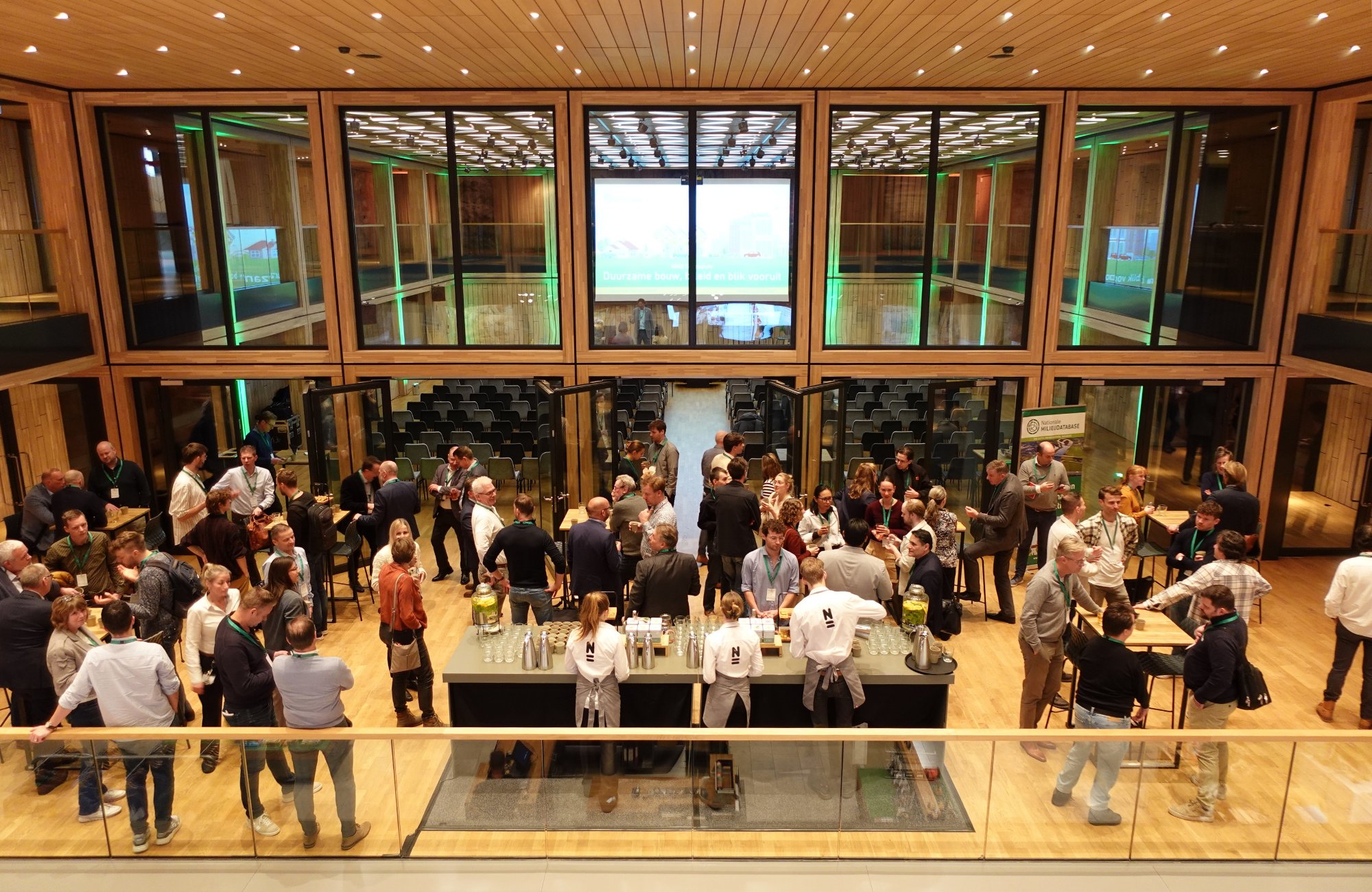
You have known the NMD system for years, first through your work in consultancy and engineering and now as a project leader at Stichting NMD. How has your perspective changed over time?
"From the outside, the NMD is often seen as a database or a calculation methodology. But it was only when I started working within the system that I realised just how much collaboration, coordination and quality assurance goes on behind the scenes. It is essentially an ecosystem of data owners, verifiers, software providers, policymakers and users.
At the same time, I have seen just how significant its impact on society has become. And that is exactly why I enjoy working for Stichting NMD!"
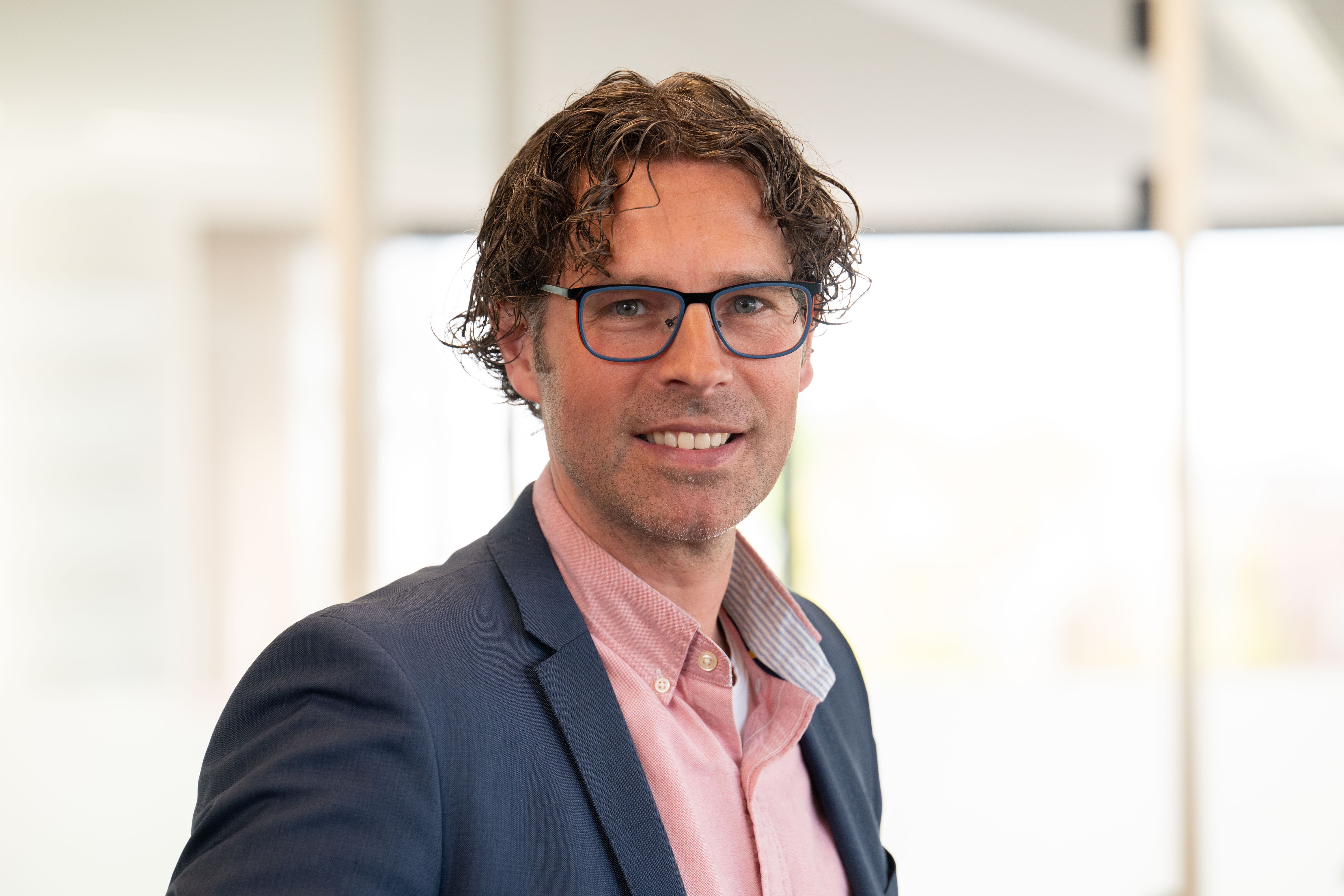
In recent years, you have actively worked to make environmental data more widely available, including through the Cat. 3 Viewer API. At the same time, the system is built around verified quality and validated data. What do you see as the core tension between the two?
"The tension essentially lies between accessibility and reliability. On the one hand, you want environmental data to be available to everyone. On the other hand, you want to prevent data from becoming detached from its context, quality or interpretation. That is precisely why I believe we should not only talk about openness, but also about responsible use. An API is more than just a technical connection; it also represents an agreement on meaning, quality and transparency."
The theme of the 2026 symposium is: “The Power of Data – The Foundation of the System.” What makes data powerful in your view – and when does it become a risk?
"Data becomes powerful when it helps people make better decisions. For example, when a client can see the environmental impact of a particular choice as early as the design phase. Or when manufacturers gain insight into where their product can really make a difference.
But data becomes a risk when figures become more important than understanding. If people focus solely on a single score without understanding the context behind it, nuance is lost. That is why I believe the power of data lies not only in technology, but above all in interpretation and communication."
As moderator, you bring together a wide range of perspectives: policymakers, data owners, consultants and newcomers. How do you make sure those conversations remain focused?
"By always bringing the conversation back to practice. Ultimately, it is not about abstract systems, but about real choices in design, policy and implementation. That is why I encourage people not only to explain their point of view, but also why it matters.
And sometimes it helps to introduce a little tension. Not to make the debate more confrontational, but to make it more honest. The most interesting conversations often emerge precisely where interests, technology and ambition intersect."
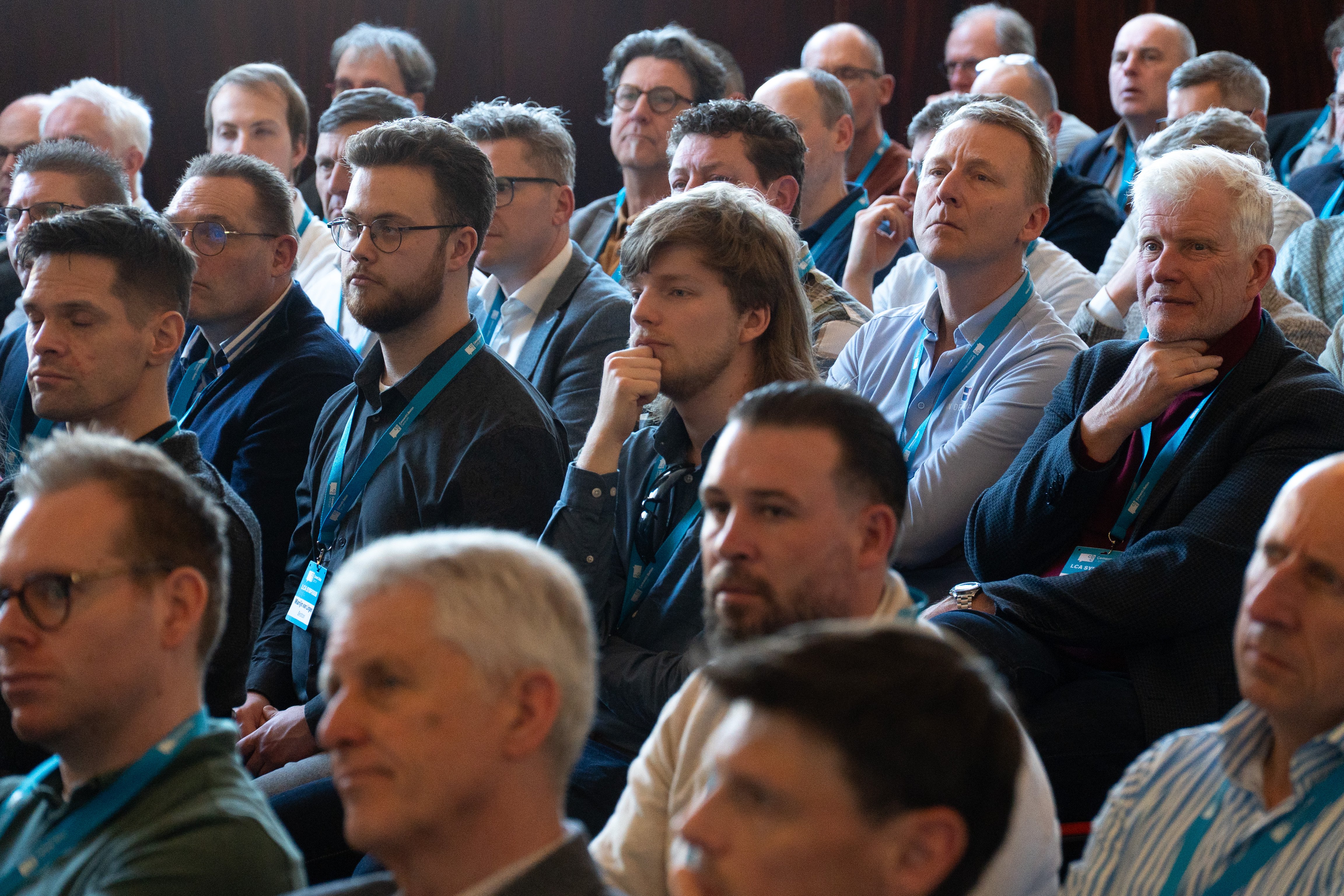
What needs to have been discussed on 12 November for you to go home feeling satisfied?
"I hope we will have talked not only about data as a technical issue, but above all about what we want to achieve with it. I would like people to leave with the sense that the system does not ‘belong to the NMD’, but is something we build and use together.
Personally, I also hope that we will have taken another step towards bringing quality, usability and accessibility closer together. Because I believe that is where the future of environmental data lies."
Would you like to join the conversation this year?
Read more:


