Design choices and interpretation in the environmental performance calculation
When calculating the environmental performance of a construction work, design choices play an important role. Factors such as building form, material use and installations influence the outcome of the environmental performance calculation. This page explains how design decisions can influence environmental performance and why it is important to consider energy use and material use together.
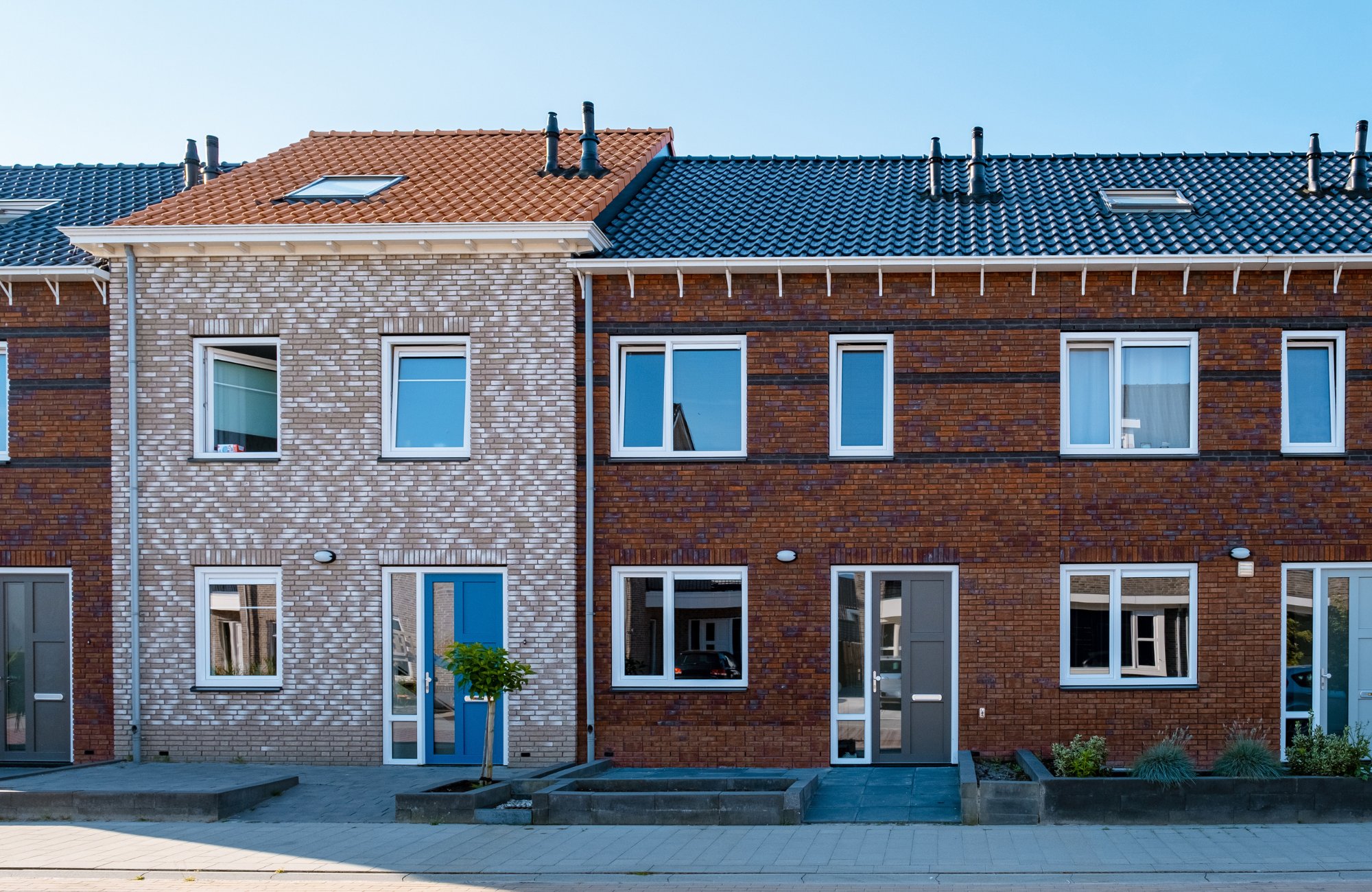

Design choices influence the outcome of the environmental performance calculation. Factors such as building form, façade area, storey height and the number of installations determine how many materials are required and how often components are replaced during the service life.
In addition, there is an interaction between energy use and material use: measures to reduce energy use can lead to additional material use and therefore also to additional environmental impacts. By considering these effects together, the total environmental impact of a construction work can be better optimised.
Design choices and environmental performance
The design of a construction work directly influences the outcome of the environmental performance calculation. The calculation considers the materials and installations required for the construction work to function throughout its entire service life.
Different design choices can influence environmental performance, for example:
- The shape of the building
- The ratio between floor area and façade area
- The height and layout of storeys
- The number of installations and technical facilities
- The selected materials and structural systems
These choices determine how many materials are required and how often components must be replaced during the service life of the construction work.
Interaction between energy use and material use
In sustainable construction, the focus is often on reducing energy use, for example through better insulation or more efficient installations. However, these measures can also lead to additional material use.
The additional material use in turn also has environmental impacts. As a result, part of the environmental benefit of energy saving measures may be reduced.
For this reason, it is important to consider energy use and material use together. By optimising both aspects simultaneously, the total environmental impact of a building can remain as low as possible.
Interpretations and design issues in calculating the environmental performance of buildings
In the Guide Environmental Performance Calculation version July 2020, a number of interpretations and design issues related to calculating the environmental performance of buildings can be found. The guide largely relates to the limit value for environmental performance in the Building Decree, which came into force on 1 January 2018. The guide can be downloaded at the bottom of the page.
Influence of building design on environmental performance
The guide also describes, for example, the influence of building design on the environmental performance calculation, based on research by W/E consultants (Utrecht). The research shows, for example, the impact of extra high storeys, bay windows and additional façade area on environmental performance. Download the report here
Reference buildings for monitoring and impact studies on environmental performance
W/E consultants, in collaboration with LBP Sight, carried out the study “Materialisation of reference buildings” for Stichting National Environmental Database, in which fully materialised reference buildings were established. This set of reference buildings was developed to enable well founded impact and monitoring studies related to possible changes in the Environmental performance of buildings. The set is publicly available so that recalculations are transparent and reproducible. Download the report below.
Further details on the environmental performance calculation
Would you like to know more about how the environmental performance of a construction work is calculated or how design choices influence the outcome? Then also view the following pages.
System boundaries in the environmental performance calculation
Frequently askes questions Environmental performance calculation
The Environmental Performance of Buildings (EPB - MPG in Dutch) calculates the environmental impact of the materials used in a building. The 2012 Building Decree makes this calculation mandatory for B&U:
- new residential buildings
- residential buildings
- offices with a surface area of 100 m2 or more
Each environmental performance calculation must comply with the 'Bepalingsmethode Milieuprestatie gebouwen en GWW-werken'. This allows the environmental performance of an entire building to be determined based on the performance of the products and elements that make up the building.
It enables clients and architects to make sustainable choices based on a national calculation method and database.
The determination of the environmental performance of a structure can be performed with calculation tools that have been validated by the Stichtng NMD.
The EPB is used to calculate the environmental performance of structures. The environmental performance is an important measure of the sustainability of a structure.
Calculating environmental performance is mandatory in the building and civil engineering sector under the Building Decree. In the civil engineering sector, we see more and more clients including environmental performance as an award criterion in tenders.
Download

Subscribe to our Newsletter
Sign up for our newsletter and receive monthly updates on sustainable construction, environmental performance, environmental data, policy, and other relevant news from the Dutch Environmental Database Foundation.