Application of the Environmental Cost Indicator (ECI) in Civil Engineering (GWW)
The Environmental Cost Indicator (ECII) plays a key role in Civil Engineering (GWW). In practice, the ECI is already widely applied in tenders and projects to provide insight into the environmental impact of design and material choices and to incorporate this into decision-making. At the same time, the Dutch government is developing policies aimed at broader and more consistent application of the ECI in civil engineering projects.
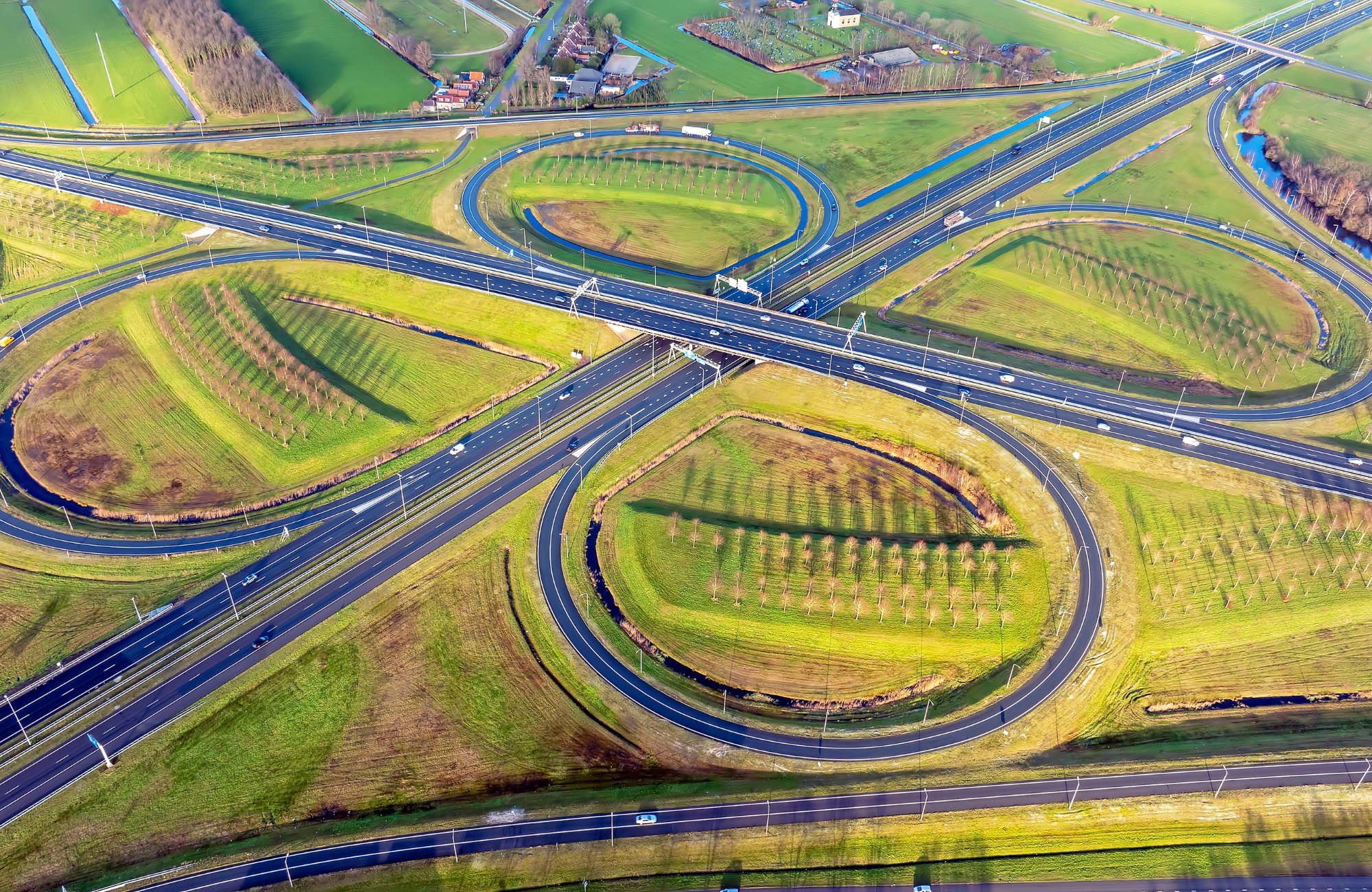

The Environmental Cost Indicator (ECI) is an indicator that expresses the environmental impact of a project in euros, based on a life cycle assessment (LCA). In civil and infrastructure works (GWW), the ECI is used to objectively incorporate sustainability into design choices and tenders. The calculation is based on environmental declarations from the Dutch Environmental Database and is performed using validated calculation tools. While there is no legal obligation to use ECI in civil and infrastructure works, its application is widely established in practice.
The Environmental Cost Indicator (ECI) has been used in Civil Engineering (GWW) for some time to provide insight into the environmental impact of projects and to incorporate this into decision-making. In tenders and design processes, the ECI serves as a tool to make sustainability tangible and comparable.
The Dutch Environmental Database plays a central role by providing the environmental data necessary for consistent ECI calculations. Meanwhile, the Dutch government is developing policies to fu
What is the Environmental Cost Indicator (ECI) and how is it applied in Civil Engineering (GWW)?
The Environmental Cost Indicator (ECI) expresses the environmental impact of materials, products, and construction works in euros. The ECI is based on a life cycle assessment (LCA) and allows various environmental effects to be combined into a single, comparable indicator.
In practice, the ECI is used by different stakeholders:
- Clients, such as Rijkswaterstaat, provincial authorities, water boards, ProRail, and municipalities, use ECI scores to incorporate sustainability into tendering processes.
- Contractors and engineering firms apply ECI calculations to assess the environmental impact of design and execution variants, supporting sustainable decision-making.
- Policymakers view the ECI as a tool to translate climate and circularity goals into tangible actions within infrastructure projects.
How does an ECI calculation work?
An ECI calculation in Civil Engineering (GWW) generally follows these steps:
- Inventory of materials, quantities, and processes within a project or design variant.
- Linking to environmental declarations from the Dutch Environmental Database.
- Calculation of the environmental impact using calculation tools applied in practice for ECI calculations in GWW, such as DuboCalc.
- Result: An ECI score that expresses the total environmental impact of the design in euros.
Consistency and collabarability
By using environmental data from the Dutch Environmental Database, ECI values can be calculated and compared in a consistent manner. This reduces differences in assumptions and interpretations, contributing to transparent and reproducible tenders.
Read more about category 3 data
Regulations and policy
Currently, there is no legal obligation in the Civil Engineering (GWW) sector to perform an ECI calculation. However, the ECI has already become a standard component of many tendering procedures. Its application aligns with national and European objectives for climate neutrality and circularity by 2030 and 2050.
Policy development at the Ministry of Infrastructure and Water Management (IenW)
The Ministry of Infrastructure and Water Management is developing policies aimed at broader and more uniform application of the Environmental Cost Indicator (ECI) in Civil Engineering (GWW). The goal is to more firmly embed sustainability ambitions in public infrastructure projects.
This policy development focuses on:
- Setting minimum environmental performance requirements for key GWW materials.
- Applying the ECI as an award criterion in larger projects.
- Ensuring consistent and predictable application for clients and market parties.
ECI in tendering processes
In practice, the application of the Environmental Cost Indicator (ECI) in Civil Engineering (GWW) primarily takes shape through tendering. Public clients use environmental data to incorporate sustainability into the evaluation of bids and the comparison of solutions.
The page Applying environmental data in tendering provides further explanation on how environmental data and ECI scores are used in tendering procedures and highlights key considerations.
Gerelateerde nieuwsberichten


